
Reimagining Workplace English for Global Teams
We built an AI-powered communication platform that embeds English fluency directly into daily work—h...
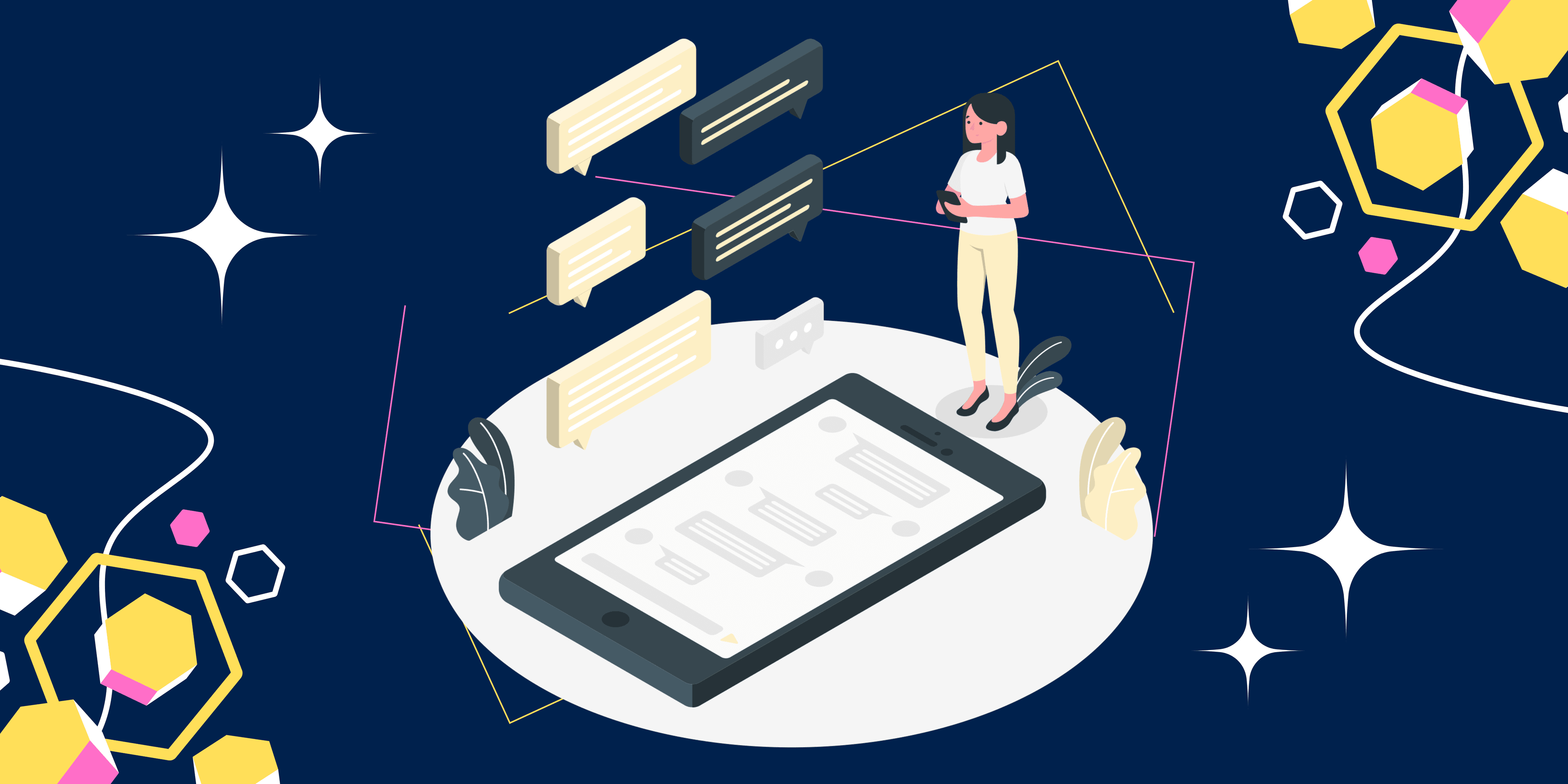
We built a workplace messaging app that goes beyond conversation, turning everyday chat into a shared workspace where context stays intact and work actually moves forward.
Initiate Partnerships
The client approached us to build a messaging app for hybrid teams. What they actually needed was a workplace system where conversations carried context and decisions didn’t get lost in threads. We approached this as a workplace app development challenge. Instead of building another chat tool, we designed a messaging platform that connects conversations with tasks, documents, and outcomes so work continues even when people step away. During development, we focused on eliminating scattered context, notification fatigue, and missed follow-ups by building intelligence directly into the flow of communication.
• Hybrid teams were using chat tools that encouraged conversation but not progress. Important updates, decisions, and follow-ups were getting buried in long threads.
• Context was fragmented across channels, documents, task tools, and meetings. Employees spent time searching for information instead of acting on it.
• Existing messaging apps lacked an intelligent structure. Missed messages, vague follow-ups, and unclear ownership slowed execution.
• Constant notifications created attention fatigue, turning asynchronous work into an always-on distraction.
• The client needed more than a chat tool. They needed a workplace app development approach that could connect conversations with outcomes and reduce operational friction across teams.

We weren’t designing another chat interface. We were shaping how teams experienced work through conversation. Every decision from tone to interaction depth was made to reduce distraction and help people move from discussion to action without friction. This workplace app development effort focused on clarity, continuity, and trust, so collaboration felt supportive instead of overwhelming.
The platform spoke like a reliable teammate, not a system prompt. Clear, direct, and neutral. Guidance focused on next steps and outcomes, never on policing behavior or adding pressure.
Muted, low-contrast colors kept attention on messages and decisions. The palette stayed professional and unobtrusive, supporting long workdays without visual fatigue.
Messaging followed real workflows. Contextual prompts, summaries, and reminders appeared only when relevant—during handoffs, follow-ups, or after meetings—never as constant interruptions.
Layouts were simple and predictable. Clear spacing, familiar patterns, and readable typography helped teams focus on the work itself, not on managing the interface.

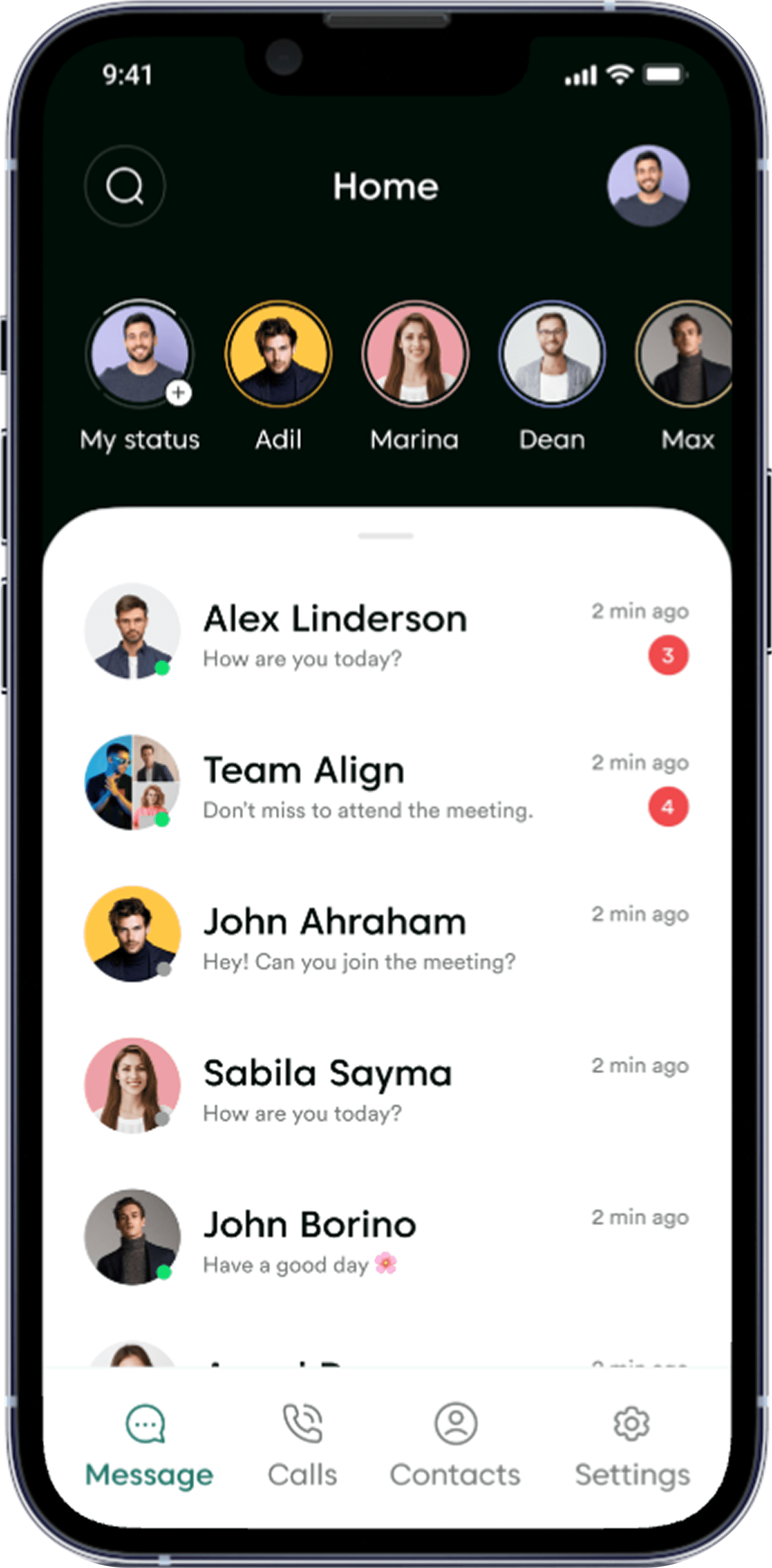
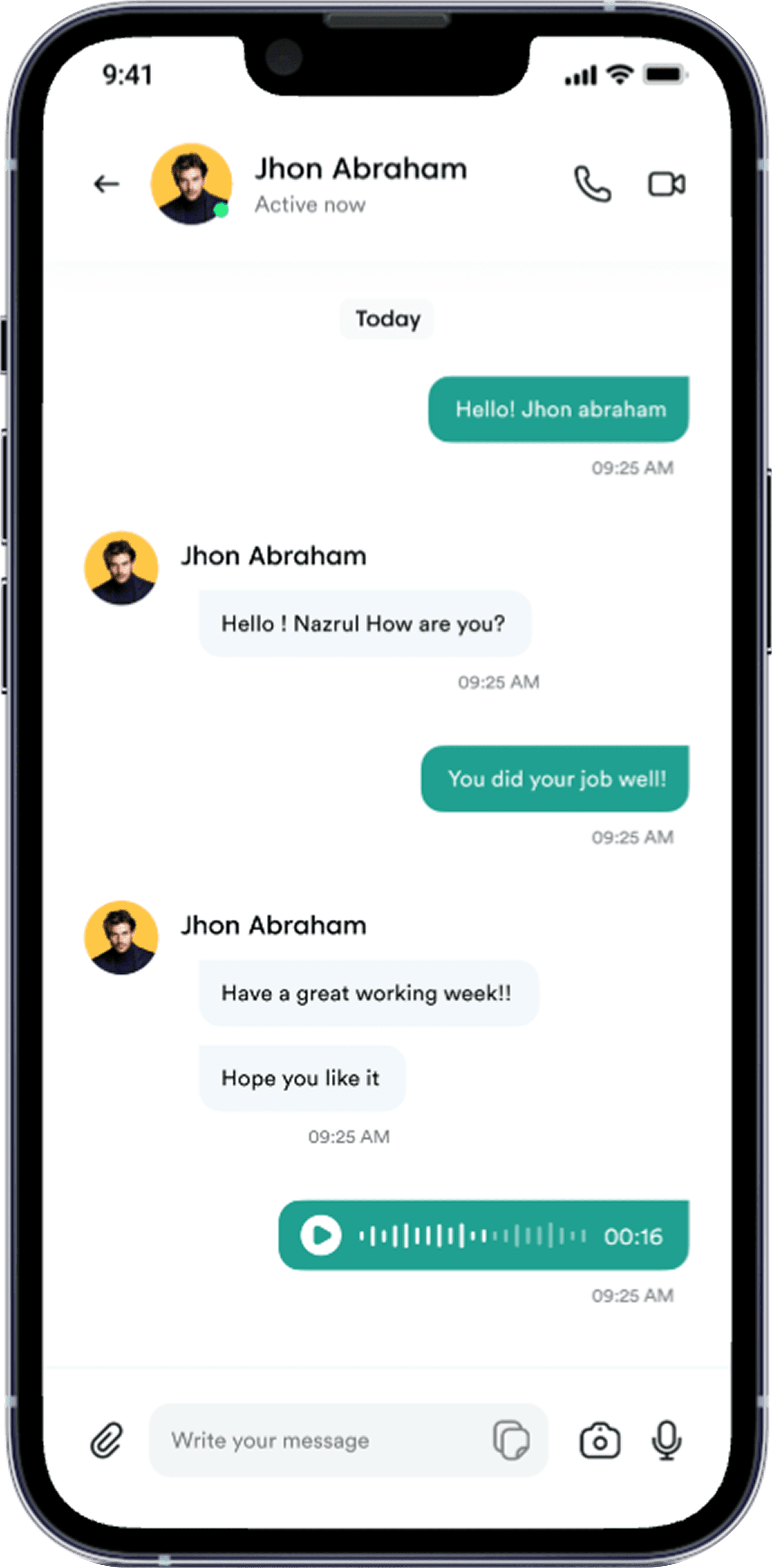
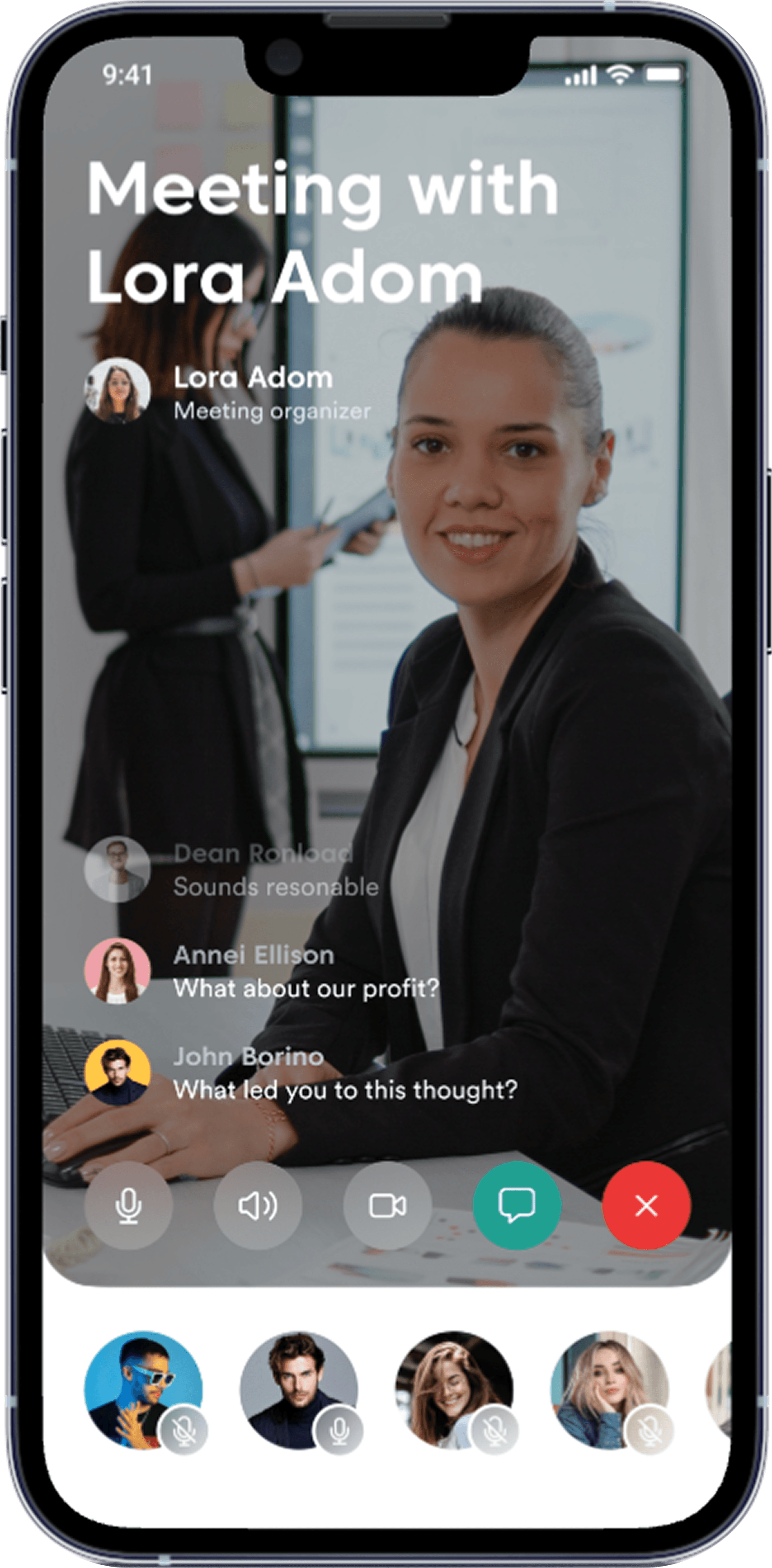
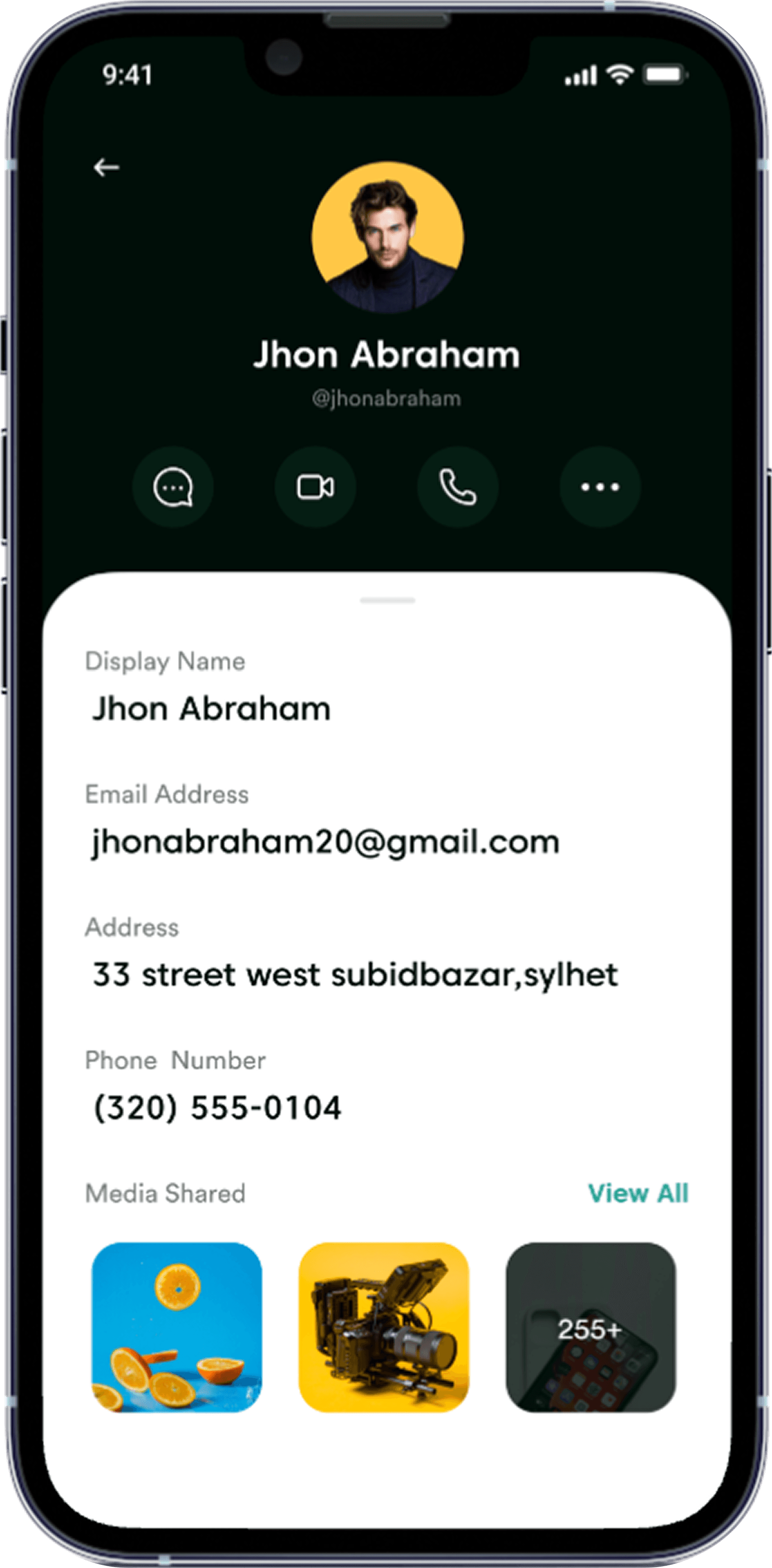

Product and marketing teams moved from discussion to decision more quickly once conversations were summarized and context stayed intact across channels.
Smart summaries and contextual threads reduced repeated status check-ins and unnecessary follow-up messages.
Clear ownership, surfaced decisions, and integrated reminders helped teams close loops more consistently.
Employees responded positively to our workplace app that reduced noise and supported focused, asynchronous collaboration.
Every layer of the messenger app development stack was designed to support real work, so communication translated directly into progress, not overhead.
When workplace app development focused on clarity and follow-through, conversations stopped stalling work and started moving it.

Teams stayed engaged in focused threads longer once summaries and context replaced scattered back-and-forth.

Most conversations moved from discussion to decision within a single workflow, without needing manual follow-ups.

Employees reported higher confidence working asynchronously once updates, decisions, and ownership were clearly surfaced.

More messages resulted in concrete next steps, approvals, or task assignments rather than open-ended discussion.

Smart reminders and resurfaced context reduced conversations that previously went quiet without resolution.

No conversations were lost or abandoned once the app connected context, ownership, and follow-through.


Global Operations Lead,
We didn’t need another messaging tool. We needed a way for conversations to actually move work forward. What stood out during the app development process was how much attention was given to context and follow-through. Teams didn’t have to change how they worked. Decisions, summaries, and next steps simply became clearer inside the flow of chat. Over time, the noise reduced. Fewer check-ins were needed. And people felt more confident that nothing important was getting lost between messages.
Messages should bring clarity. Summaries should replace chaos. And a workplace app should help teams make decisions, follow through, and move forward without constant check-ins.
We design workplace messaging apps where conversations stay contextual, actions stay visible, and collaboration feels natural instead of noisy.