
Reimagining Workplace English for Global Teams
We built an AI-powered communication platform that embeds English fluency directly into daily work—h...
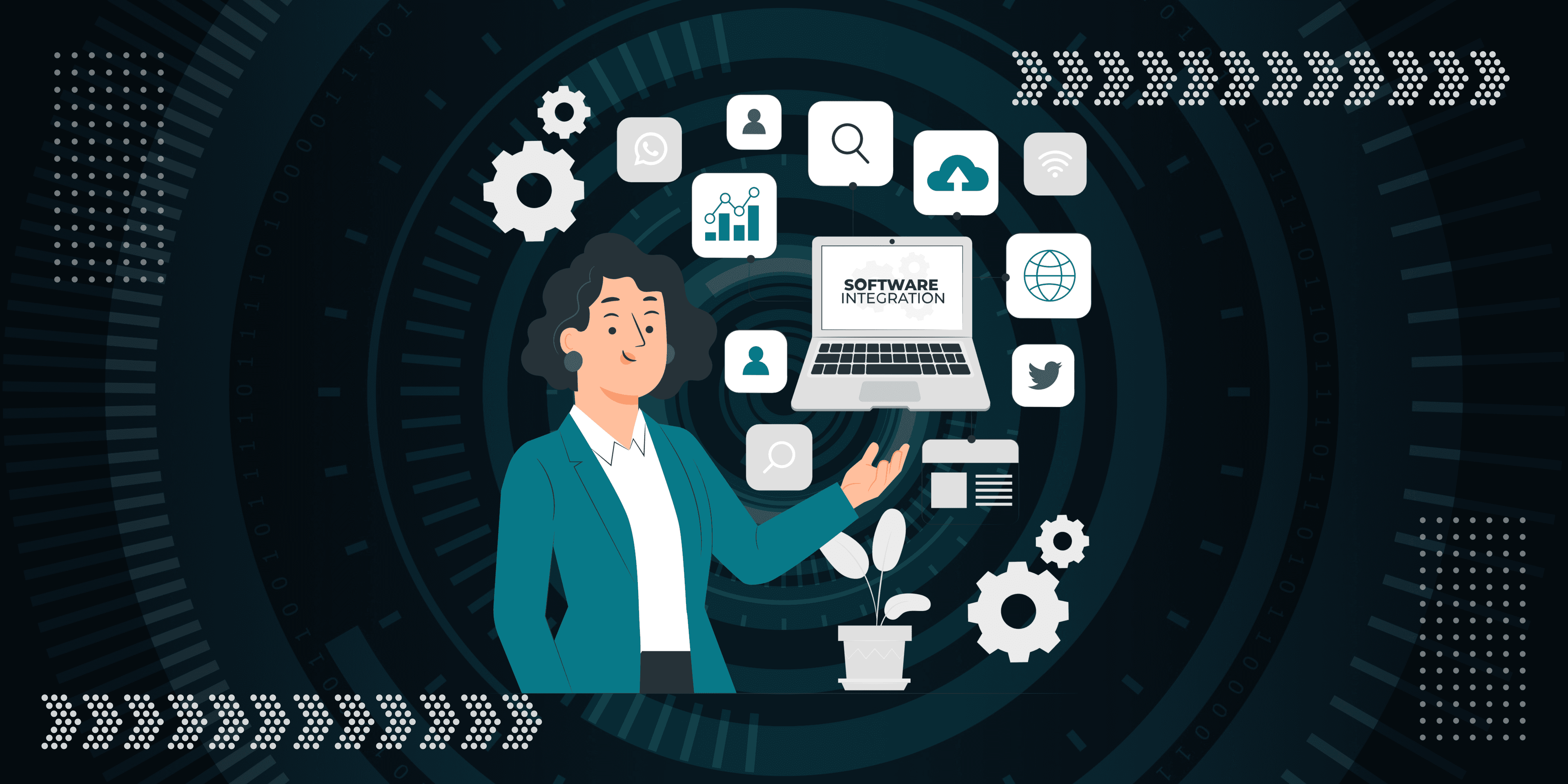
We transformed a neighborhood app into a daily local utility, integrating AI-powered recommendations, verified news, and real-time alerts so neighbors didn't just connect. They relied on it.
Explore Case Study
The client set out to refresh an existing neighborhood app that had grown stagnant despite a large global user base. Engagement was inconsistent, and only a fraction of registered members returned weekly. The issue wasn't the connection. Rather, it was relevance. We approached this as a platform app development and AI integration challenge. Instead of redesigning the feed, we rebuilt the experience around hyperlocal utility, combining verified news, neighborhood-trained LLM agents, and real-time alerts to make the app essential to everyday living.
• The neighborhood app had scale but not sustained engagement. Despite 100M registered users, only about 25% returned weekly.
• User-generated content was inconsistent and often repetitive, making feeds feel passive rather than useful.
• Important local updates like news, emergencies, and public safety alerts were scattered across external sources instead of being integrated within the platform.
• The existing experience focused on connection but lacked structured relevance that tied conversations to everyday local needs.
• The challenge wasn't visibility. It was redefining platform app development around utility, trust, and hyperlocal intelligence.

We weren't redesigning a feed. We were redefining what a neighborhood platform should feel like. Every decision focused on clarity, trust, and everyday usefulness. So the app felt less like passive social media and more like local infrastructure. This platform app development effort centered on making relevance visible, timely, and easy to act on.
"Today's Local News" was placed at the top of neighborhood feeds, creating a clear entry point into verified, contextual updates before user-generated chatter.
Headlines included comment threads, allowing neighbors to discuss real local events with shared context instead of fragmented opinions.
The alert map used clear visual states; urgent signals overtook the feed, while lower-priority alerts prompted attention without disruption.
The neighborhood-trained AI agent was responsive and contextual, offering hyperlocal answers without feeling intrusive or generic.

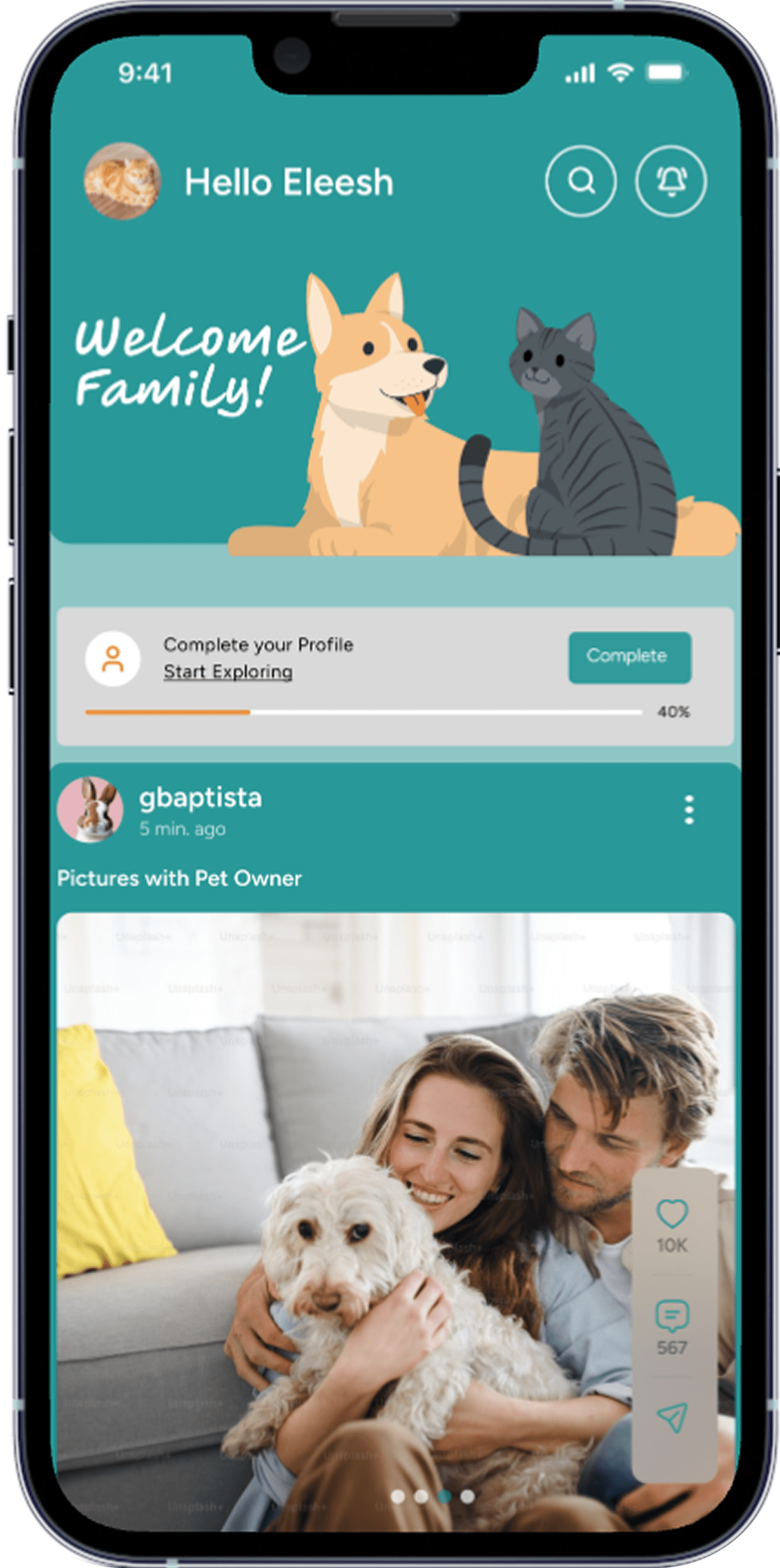
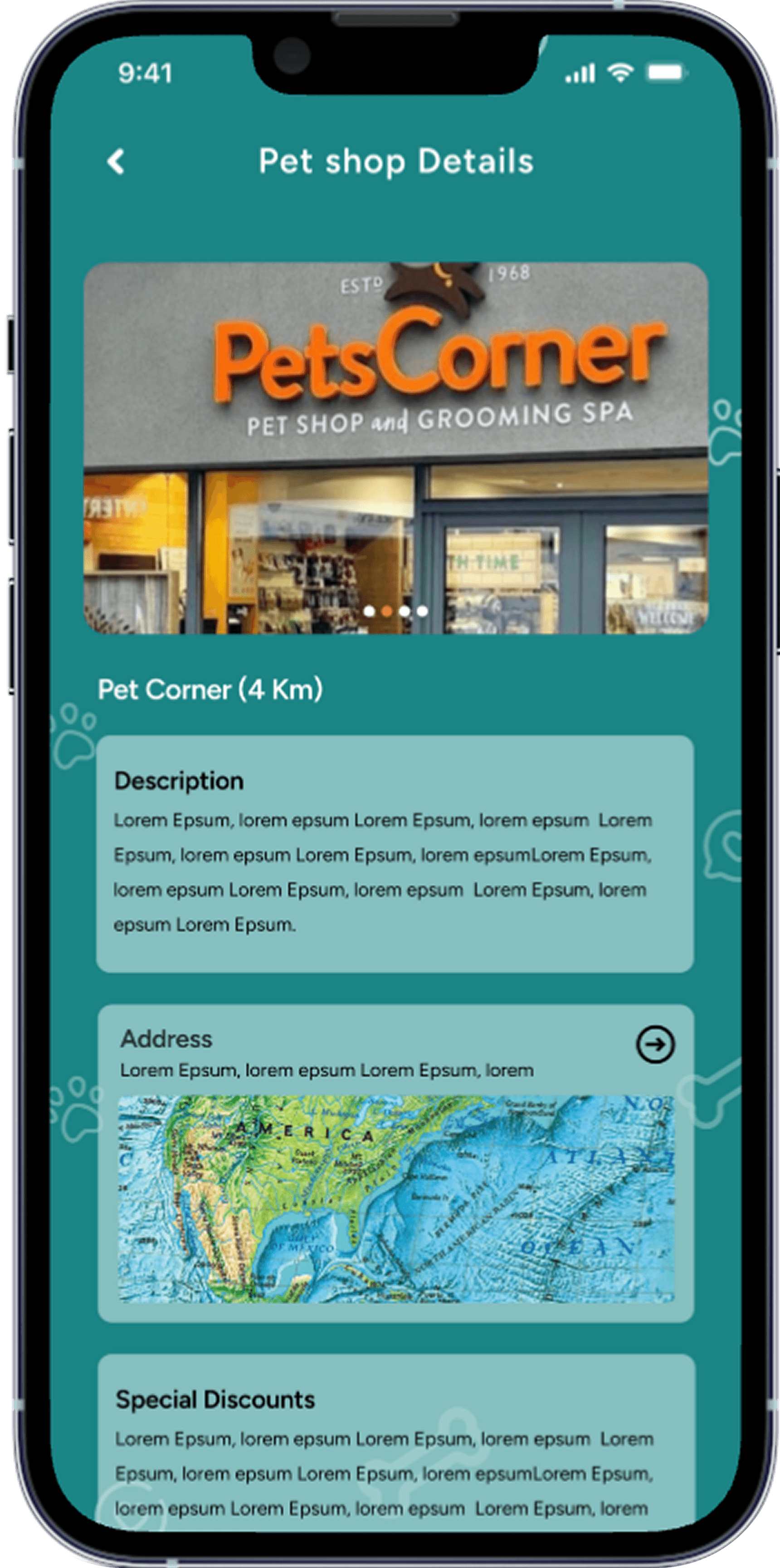
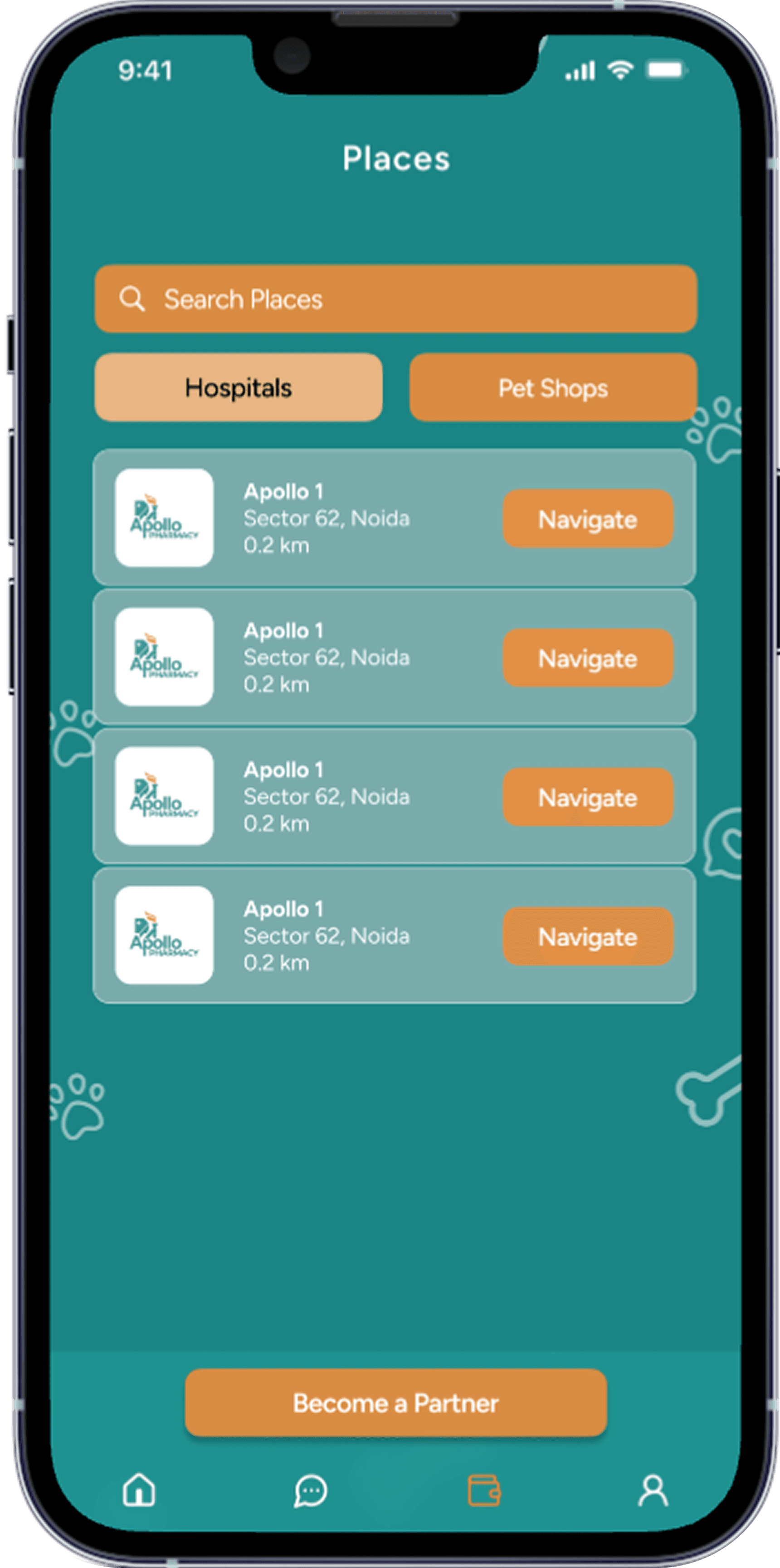


~25% Weekly Return Rate Across 100M Users:
A measurable uplift in sustained engagement as the platform shifted from passive chatter to daily utility.
3,500+ Verified News Partnerships Integrated:
Curated local headlines increased relevance while driving referral traffic back to trusted source outlets.
Targeted Emergency Alerts Delivered by Affected Zone:
Severe incident notifications reached only impacted households using radius-based geolocation logic.
Launch of "Faves"—A Neighborhood-Trained AI Agent:
The first hyperlocal LLM assistant built on 15 years of neighborhood data, enabling contextual, community-informed responses.
When platform app development focused on relevance instead of volume, neighborhoods began returning for what mattered—not just what was posted.

Users spent more time within neighborhoods where verified headlines anchored daily activity.

Residents used the "Faves" neighborhood agent to find trusted services, recommendations, and answers rooted in community history.

Radius-based delivery ensured critical updates were seen by the households that needed them most.

Comment threads under verified news created structured dialogue around real local events.

Relevance-first feed logic encouraged action and interaction over idle browsing.

Localized LLM agents delivered contextual answers quickly, even at scale.


Chief Product Officer, Neighborhood Platform
We weren't trying to build another social feed. We needed to make the platform genuinely useful. What stood out during the app development process was the focus on relevance. Instead of layering features, the team rethought how neighborhoods consume information like news, alerts, and recommendations, all in one place. The shift was noticeable. Engagement improved, but more importantly, the app started feeling essential. It became part of how people stay informed locally, not just how they interact online.
Neighborhood platforms shouldn't just connect people. They should deliver relevance, clarity, and timely information that fits daily life. Through thoughtful platform app development and AI integration, we design systems that feel less like feeds and more like local infrastructure.