Reimagining Workplace English for Global Teams
We built an AI-powered communication platform that embeds English fluency directly into daily work—h...
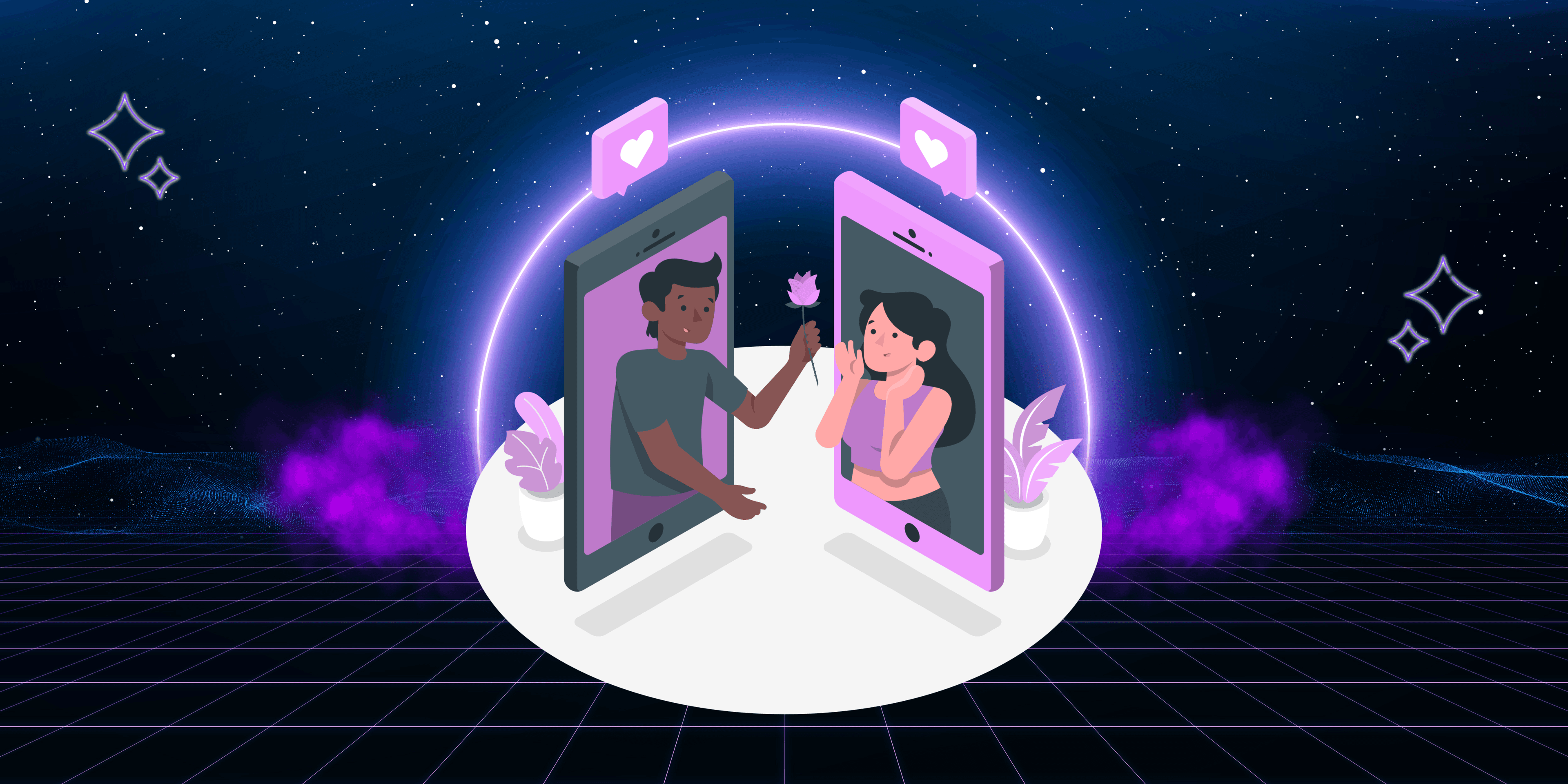
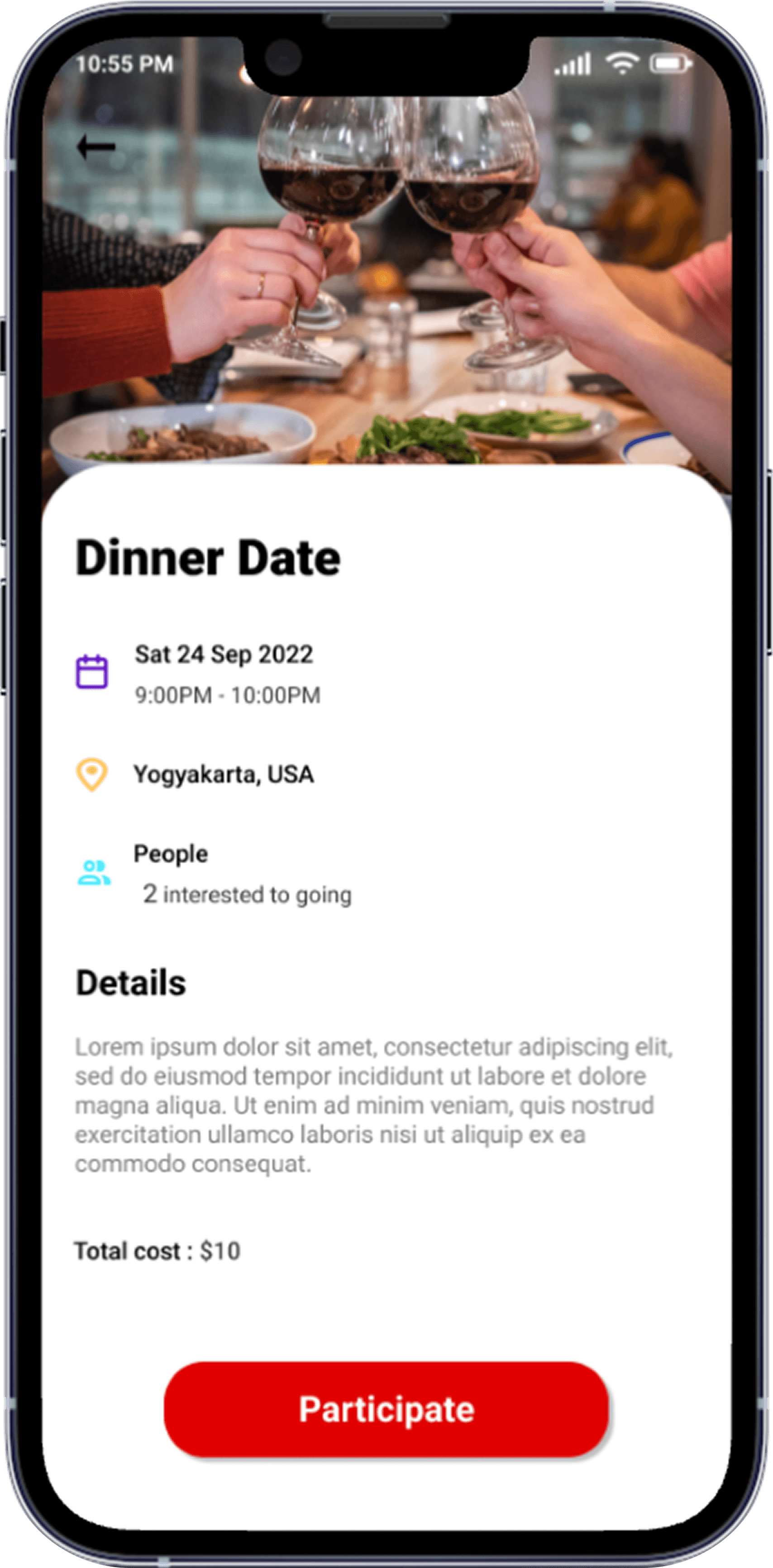
Most dating apps made it easy to swipe. They didn't make it easier to actually connect. So we built something different. A blind date app where people talk first—before photos, before quick judgments. The idea was simple: let curiosity and conversation do the work before anything else shows up.
Scale your Business!
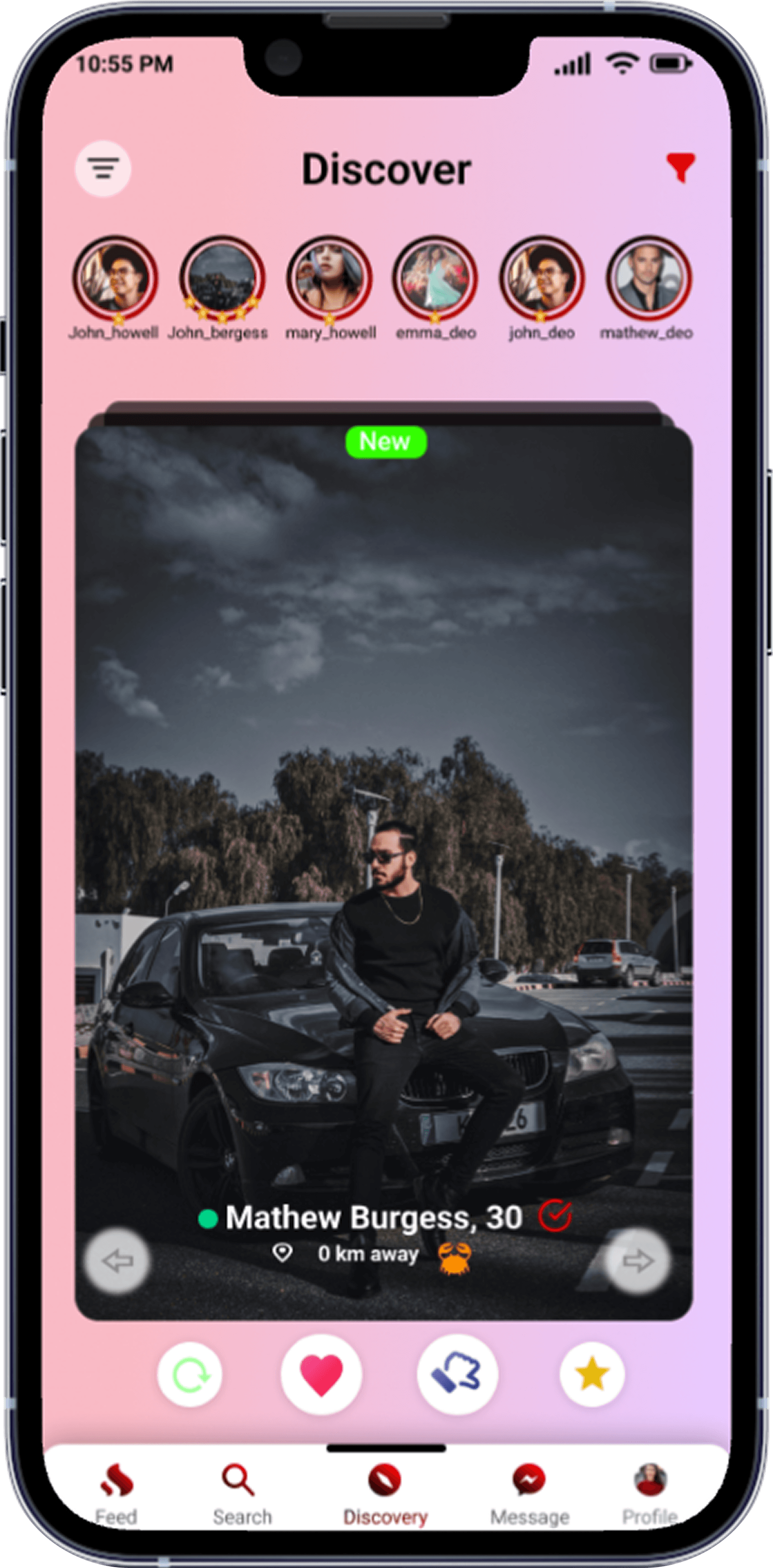
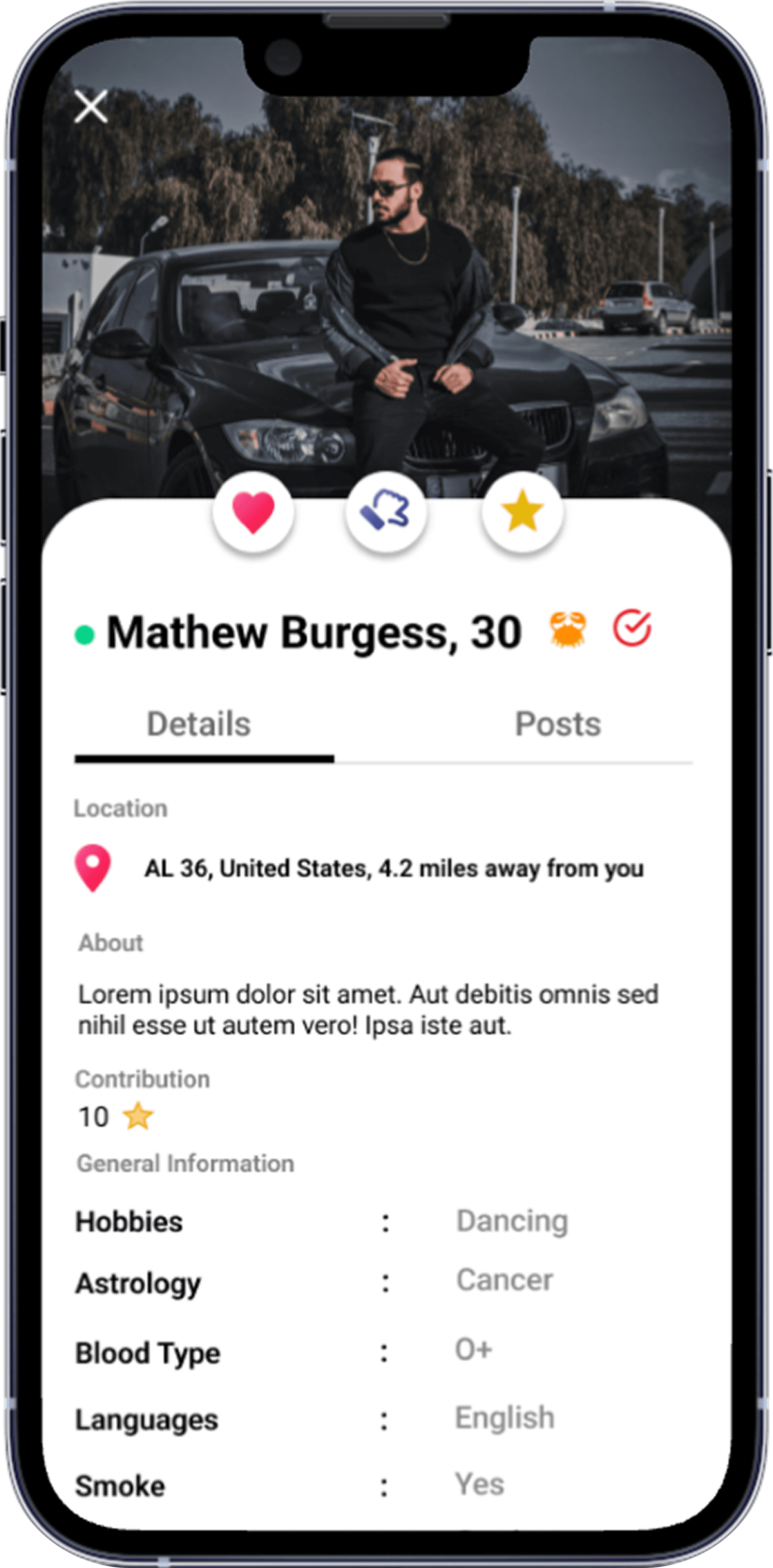
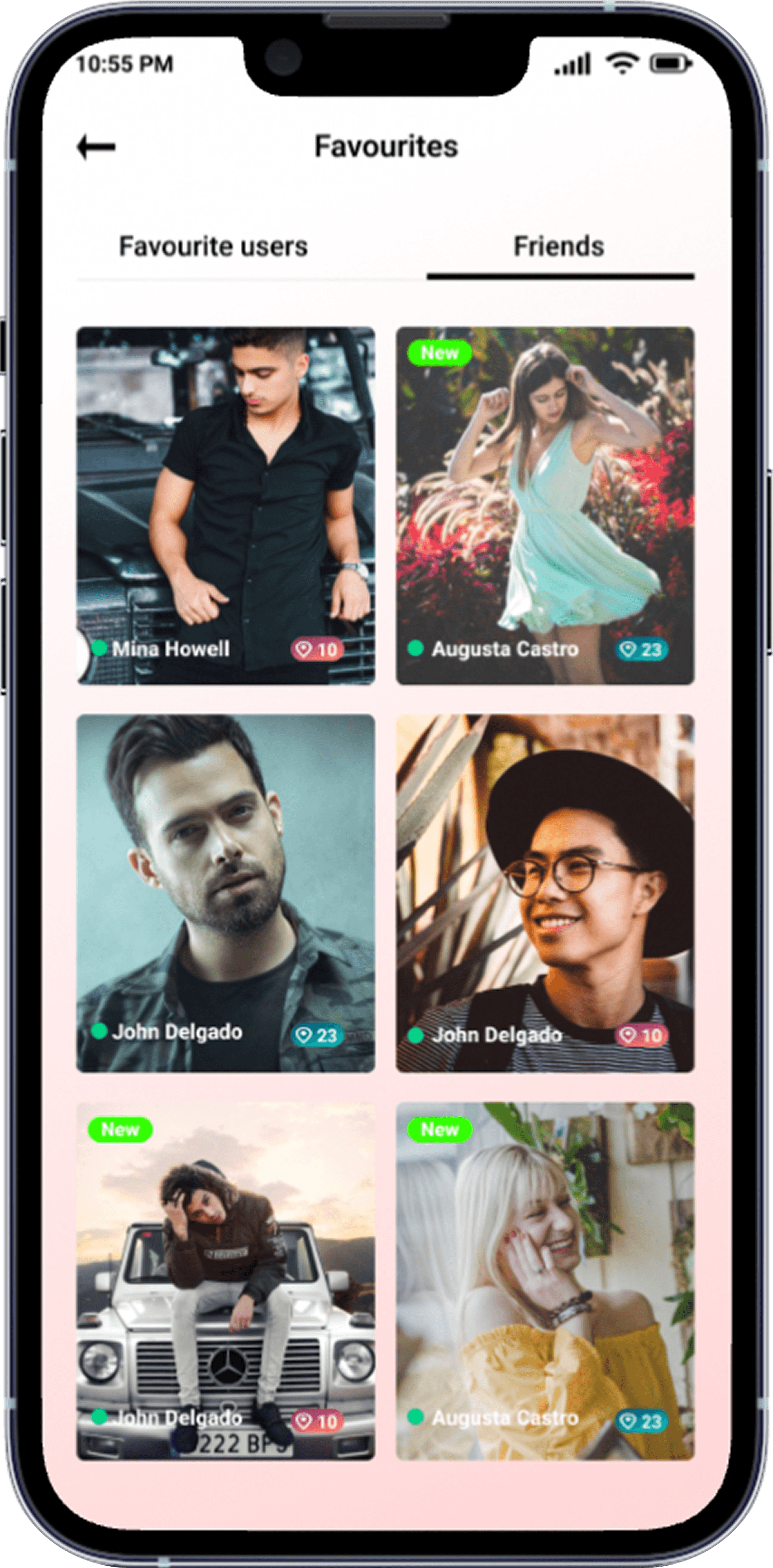
Dating apps were everywhere. But most of them worked the same way—photos first, decisions faster than thought. Conversations, if they happened, rarely lasted. The idea here was to flip that. Build a blind date app where people start with interaction, not appearance. No profiles to judge. Just questions, responses, and how two people engage. We focused on behavior, not bios. The goal was simple—help people connect before they decide.
• Swipe-first design pushed people to judge quickly, often before any real interaction could begin.
• Matches happened fast, but conversations rarely went anywhere. Most dropped off within a few exchanges.
• Profiles and bios didn't say much. They looked complete but didn't reveal how someone actually thinks or communicates.
• Questionnaires felt like forms. People rushed through them, which made matching feel shallow and predictable.
• Trust was fragile, especially in a setup where users were expected to engage without much context or connection.
Without photos, the experience had to do more. Tone, timing, and small interactions carried the weight. We focused on making users feel comfortable enough to stay—and curious enough to continue.
The app spoke like a person, not a system. Warm, a little playful, sometimes unexpected. It helped users open up without feeling like they were filling out something formal.
We avoided loud, flashy colors. Instead, we used warm tones and soft contrasts that made the space feel calm, more like a conversation than an app.
Flows were built around interaction, not profiles. Questions, prompts, and responses shaped the journey. It felt less like a setup and more like getting to know someone.
Clean layouts, minimal distractions. Nothing is competing for attention. The focus stayed on the conversation, not the interface.

3.1× Longer First Conversations:
People didn't just match; they stayed. Early chats lasted longer than typical dating apps, which was a strong signal that the format was working.
72% Opt-In Before Photo Reveal:
Most users chose to continue conversations without seeing photos first. That shift alone showed the focus had moved from appearance to interaction.
86% Positive User Sentiment:
Across early users, conversations felt more comfortable and engaging. The tone and flow helped people open up a bit more than usual.
49% Returned Within 48 Hours:
Users came back quickly—not out of habit, but because conversations felt worth continuing.
Every part of the product from matching logic to conversation design—was built to make interaction feel natural, not forced.
It wasn't just about matching people. It was about helping conversations actually go somewhere.
First conversations compared to standard dating apps.
Of users chose to keep talking before any photo reveal.

Positive sentiment from early users during initial rollout.

Users returned within 48 hours to continue conversations.
Privacy held strong with a consent-first system in place.
With user control built into every step of interaction.

Product Lead
We didn't want another dating app where people swipe and move on. The goal was to slow things down a bit and see if conversations could actually lead somewhere. What stood out was how the team approached it. They didn't start with features. They started with how people behave when they're curious, unsure, or just trying to connect. That thinking shows in the product. People stay longer, talk more, and don't rush to judge. That shift alone made a big difference for us.
Dating apps don't need more features. They need better conversations.
We design products where interaction feels natural, not forced—so people stay, talk, and actually connect.
Let's build something more human.
© 2026 CodingworkX - Private Limited . All rights reserved.