

Reimagining Workplace English for Global Teams
We built an AI-powered communication platform that embeds English fluency directly into daily work—h...

Financial advice shouldn’t feel mechanical. People make decisions about money based on goals, fears, timing, and life changes, not just numbers. So instead of building another robo-advisor, we engineered an AI advisor agent that understands behavior, adapts to evolving financial profiles, and offers guidance that feels closer to a trusted human advisor than a static algorithm.
Talk to our experts
Financial advice platforms had largely stayed the same, even as user expectations evolved. Most tools still relied on rigid models and template-based recommendations, treating people like static financial profiles rather than individuals whose goals, confidence, and risk tolerance change over time. The objective of this project was to develop an AI-powered financial advisor agent that could respond to those shifts. Instead of fixed suggestions, the platform interprets behavioral signals, understands financial intent, and adapts guidance as user circumstances evolve. By combining behavioral insights with real-time financial data, the system delivers personalized advisory support that feels closer to a thoughtful human advisor than a traditional robo-advisory tool.
• Traditional financial advisory apps relied heavily on fixed models and template-driven recommendations. As a result, users often received advice that felt generic and disconnected from their real financial goals.
• Most platforms focused purely on numerical inputs such as income, savings, or portfolio size, while ignoring behavioral signals like changing ambitions, confidence levels, or emotional responses to risk.
• Financial planning tools struggled to adapt as user circumstances evolved. Life events, career changes, and shifting priorities are rarely reflected in the recommendations users receive.
• Many advisory solutions lacked meaningful interaction. Conversations with financial tools often felt mechanical, limiting user trust and reducing engagement over time.
• Because of these limitations, users were left without guidance that could evolve with them, creating a gap between financial data, human behavior, and actionable advice.

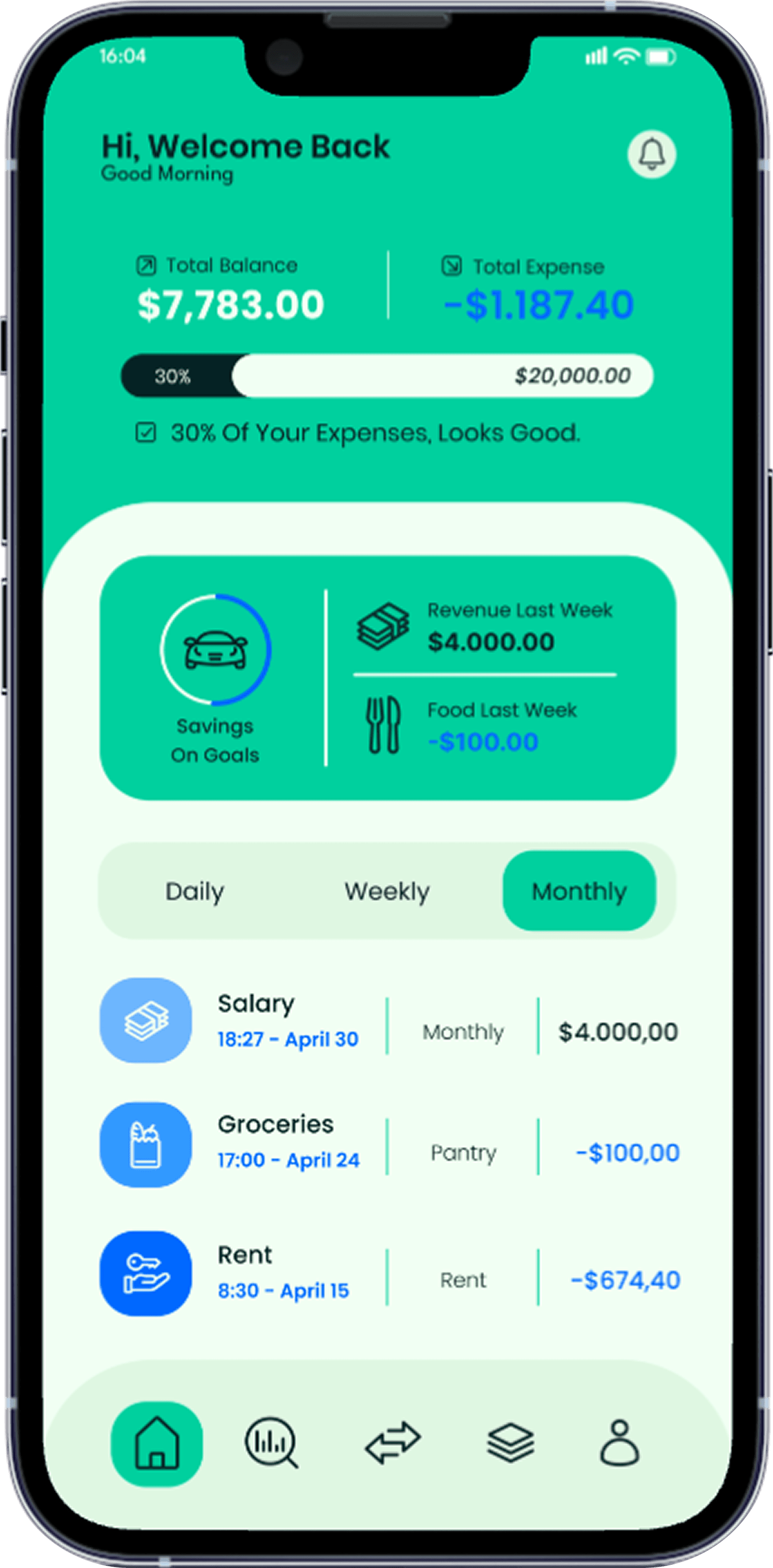
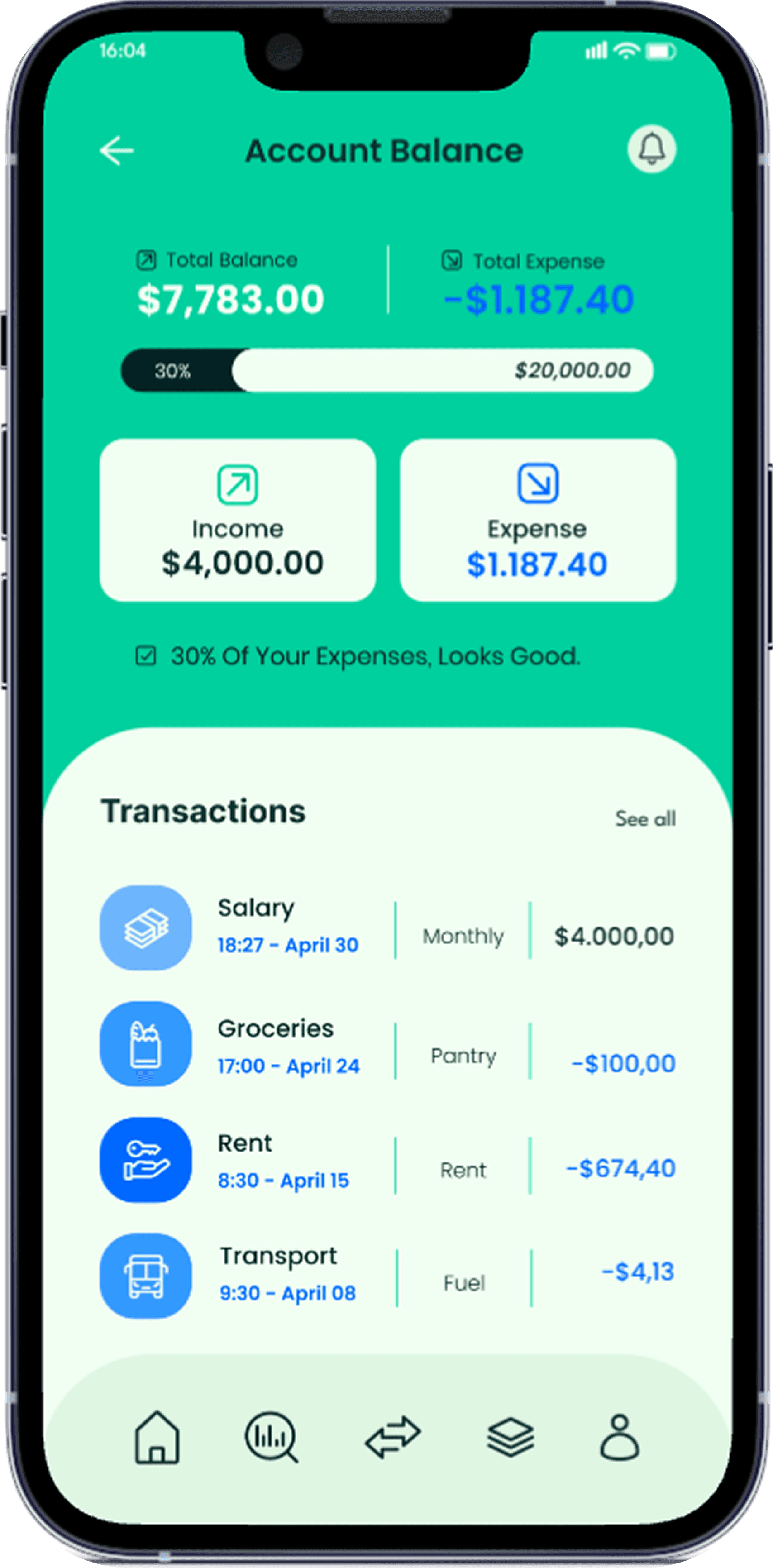
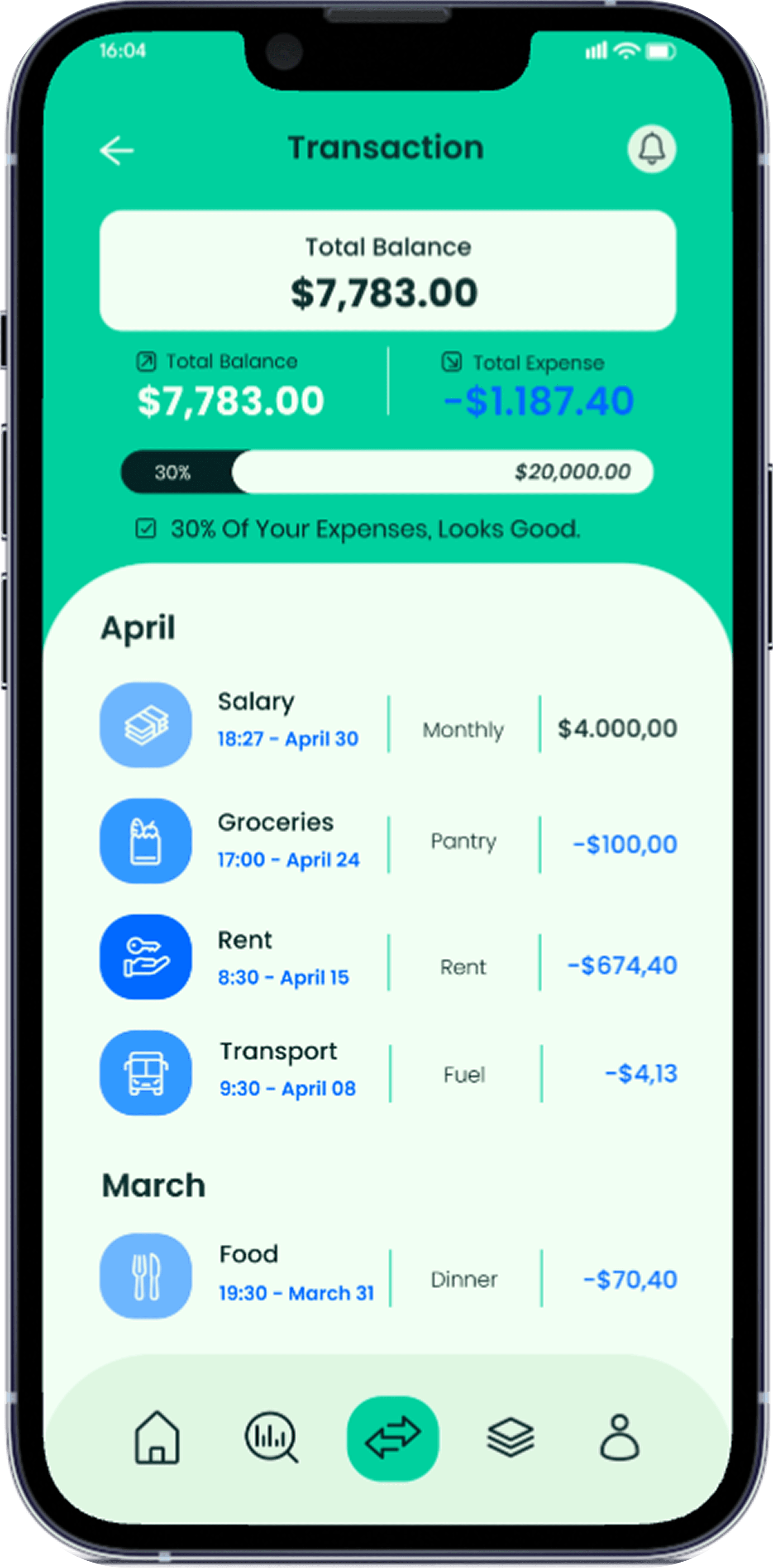
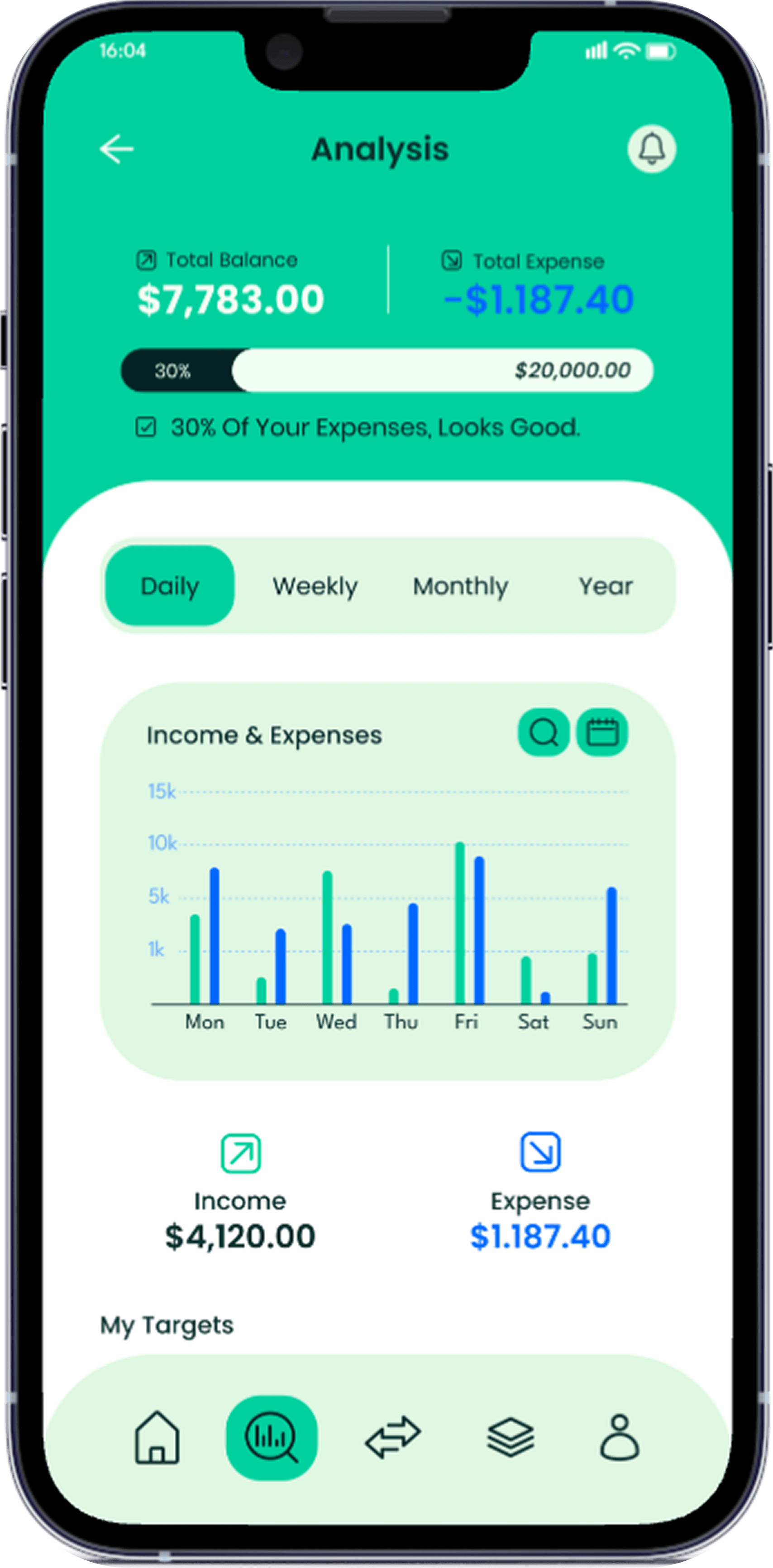
Designing a financial advisor powered by AI wasn’t just about building an interface. It meant translating trust, clarity, and confidence into every interaction. Users needed guidance that felt thoughtful. So, the experience was shaped to feel calm, supportive, and intelligent to help people understand their finances without feeling overwhelmed by data or complex decisions.
The advisor communicated with clarity and calm authority. Responses were conversational and supportive, avoiding technical jargon whenever possible. Instead of sounding like an automated system, the AI explained financial ideas in a way that felt closer to guidance from a trusted advisor.
Muted neutrals, soft blues, and broad green accents were selected to convey stability and financial growth. The palette avoided harsh contrasts, creating an environment where users could comfortably review financial insights and long-term planning decisions.
The experience followed a mentorship-style flow rather than a rigid transaction path. Contextual prompts helped users take action at the right moment, while adaptive conversation paths allowed the AI to adjust recommendations as goals, behaviors, or market conditions evolved.
Clean layouts, generous spacing, and readable typography ensured complex financial insights stayed accessible. Instead of overwhelming users with dashboards, the design highlighted guidance, helping people focus on decisions rather than navigating the interface.


2.3× Longer Average Session Lengths:
Users spent significantly more time interacting with the AI advisor. Conversations evolved into deeper financial discussions rather than short transactional queries.
68% Completion Rate for Complex Financial Journeys:
A majority of users were able to move through detailed planning scenarios such as investment strategies or long-term financial goals within a single session of guided interaction.
92% Positive Emotional Response from Early Users:
Sentiment analysis across early conversations showed strong user confidence and comfort when engaging with the advisor, indicating that the tone and behavioral intelligence felt natural and trustworthy.
41% of Users Took Real Financial Actions:
Many users moved beyond conversation and acted on recommendations: starting investments, adjusting savings strategies, or refining financial plans directly within the advisor flow.
Every layer of the platform, from behavioral intelligence modeling to conversational design, was built to make financial guidance clearer, more personal, and easier to act on.
An AI advisor that did more than answer questions. It helped users understand their financial situation, build confidence, and take meaningful action.

Compared with traditional AI financial advisory tools, it shows deeper user engagement with financial planning conversations.

Moving from questions to structured financial planning without leaving the advisor flow

More than 5,000 early users interacting with the advisor during initial rollout phases.

Adjusted savings strategies or started investments directly through the advisor’s guidance.

It happened with improved recommendations through continuous learning.

Even during high-traffic surges, maintaining both speed and compliance without disrupting conversations.


Founder & Product Lead
We didn’t want another financial tool filled with charts and automated advice. The goal was to build something that could guide people through real financial decisions in a way that felt natural and trustworthy. What impressed us most was the team’s focus on behavior, not just technology. Instead of rushing into features, they took time to understand how people actually think about money. The result is an AI advisor that feels thoughtful, clear, and genuinely helpful when users need guidance.
Financial guidance shouldn’t feel mechanical. Advice should build clarity, confidence, and trust, especially when people are making important decisions about their future.
We design AI-powered financial platforms where insights stay meaningful, conversations feel natural, and users can move from questions to real financial action.

© 2026 CodingworkX - Private Limited . All rights reserved.